
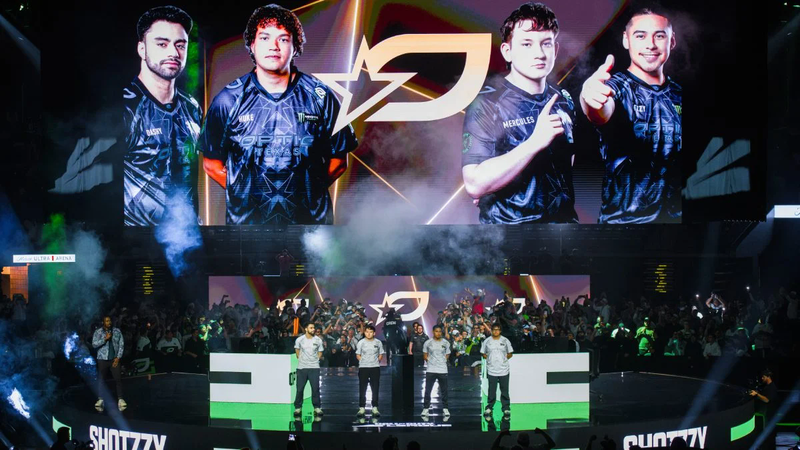
If you’ve been following the Call of Duty League, you know it’s been a weird ride. Twelve teams, some big orgs, some smaller ones, and a whole lot of questions about whether the whole franchise model actually works. But according to CDL general manager Daniel Tsay, the league is doing just fine—and it’s got room to grow.
Speaking at CDL Champs 2026 in Las Vegas, Tsay laid out a vision for a 16-team league. But he’s not in a hurry. “I’d rather us focus on the core before we ever think about expanding,” he said. That means shoring up the existing 12 franchises first, even if some of them might want to leave.
Why this matters to anyone who’s not a team owner
Here’s the thing: Esports teams have been dropping like flies. The Overwatch League collapsed. Other franchised leagues have struggled to stay afloat. If the CDL can actually make money—and keep its teams happy—it’s a rare bright spot in a notoriously shaky industry. And if you’re a fan, a healthy league means better competition, more events, and fewer awkward org mergers.
Tsay’s comments suggest the CDL is doing something right. He says teams are “eager for opportunities they can monetize in their own ways,” from hosting their own Majors to selling in-game bundles. “If you have a lot of fandom, you will be lucrative,” he said. That’s a direct answer to the question every esports fan asks: Can this thing actually sustain itself?
How we got here
The Call of Duty League launched in 2020 as a 12-team closed franchise, following the same playbook as the Overwatch League. But unlike OWL, which collapsed under its own weight, the CDL has managed to keep most of its teams in the fold. That’s not to say it’s been smooth. Spacestation Gaming was reportedly interested in joining but passed, citing revenue potential and a lack of available talent. Tsay’s response? “They probably don’t see all of the team finances the way the league does.”
In other words, the league’s bottom line looks better from the inside. Tsay says the league has “the capability to expand at any time,” but there’s some shifting that needs to happen with the core teams first. Some orgs might want out; others want in. The goal is to make sure the 12 are healthy before adding more.
The key detail: in-game bundles are the real money
Tsay dropped a specific number that’ll make any team owner’s ears perk up. A team with a big fanbase can make millions of dollars through in-game bundles alone. That’s not a hypothetical. The CDL model is built around that revenue stream—teams get a cut of bundles bearing their branding, and the more fans you have, the more you earn. It’s a direct incentive to build a real community, not just buy a slot.
That’s a stark contrast to the old esports model, where teams relied on sponsorships and prize money—both of which can dry up fast. Bundles are recurring, predictable, and tied directly to player engagement. It’s the kind of thing that makes the league “definitely lucrative,” as Tsay put it.
The bigger picture: esports is finally figuring out monetization
For years, esports leagues have been chasing the traditional sports model—ticket sales, merch, TV rights—without the stadiums or the mainstream audience. The CDL’s approach is smarter: lean into the game itself. If you’re a Call of Duty fan, you’re already spending money on skins and battle passes. Why not give a cut of that to the teams you actually support?
This isn’t unique to the CDL—the Overwatch League tried team skins, and the League of Legends Championship Series has its own in-game items. But the CDL seems to be the one where it’s actually working as a primary revenue driver. Tsay’s comments suggest the league is built around that principle from the ground up.
What’s next
Don’t expect a 16-team CDL in 2027. Tsay made it clear he wants to get the current roster right first. That could mean some orgs leaving, new ones coming in, or just a reshuffling of the existing slots. We might see roster changes and organizational shifts, especially with Modern Warfare 4 on the Horizon—new games always shake up the competitive scene.
For now, the CDL is stable, profitable, and looking to grow—on its own terms. That’s more than most esports leagues can say. And if you’re a fan, that’s worth celebrating.



Comments (0)
Loading comments…